Raw Sewage Cleanup
Sewage cleanup removes Category 3 black water from raw sewage, then disinfects and dries the area.
See raw sewage cleanupGet Category 3 sewage removed after a backup in a basement, shower, floor drain or lower level in Harmony. The work includes contaminated-material removal, cleaning, disinfection, structural drying and odor control.
Sewer backup cleanup means safely removing wastewater and solid sewage after an overflow from a toilet, drain or sewer line. Every affected space is then cleaned, disinfected and dried, with odor controlled as part of the work.
A sewer backup can rise through a basement floor drain, shower, toilet or utility sink. The water may spread under appliances, behind baseboards and into nearby rooms. Because sewage is Category 3 black water, direct contact should be avoided even when the water looks diluted or the surface appears dry.
Sewage cleanup goes beyond typical water damage work. Cleanup technicians in protective equipment contain the work area. They extract the wastewater and take out contaminated material that cannot be cleaned fully. Washable hard surfaces are cleaned before an EPA-registered disinfectant is applied for the contact time listed on its label. Each stage is recorded, including moisture checks and drying.
Your discussion with an adjuster or property manager can be supported by pictures, material inventories, moisture data and job documentation.
Clean rooms remain isolated while technicians use protective equipment to remove wastewater and transfer contaminated materials.
Sorting determines whether your items can receive cleaning, require a specialist or are unrecoverable, with valued belongings reviewed before anything is removed.
You receive an explanation of affected rooms and materials, cleanable items, possible removals and drying checks, allowing you to move forward with a defined scope.
When wastewater comes out of the plumbing and reaches an occupied space or storage area, sewer cleanup is needed. Typical situations are:
After wastewater enters a storage area, office, restroom or retail space, restrict access and surrounding areas.
Another overflow soaks previously affected materials, increasing the need for careful removal and moisture mapping.
Sewage may enter a shower or tub when a toilet or main line is blocked, contaminating nearby floors, grout and tile.
A garden unit, laundry area or other below-grade room is reached as the backup moves past the drain.
Start by keeping exposure low and limiting any further flow of wastewater into the space. The details vary by situation. When a broader emergency response is underway, respect entry restrictions issued by law enforcement, utilities or firefighters. Complete these actions ahead of sewer backup cleaning:
Call (888) 440-9227The nearest published cost information for this service covers sewage biohazard cleanup. Cited sources put most homeowner work in a range starting at $2,000 and ending at $10,000. One other published pricing source starts its wider span at $1,500 and ends it at $8,000. Final sewer backup cleanup cost varies with the size of the affected space, sewage absorption, disposal needs and the drying required.
The figures shown are national ranges from published cost guides and are not based on an on-site visit. After an on-site assessment, the price for your property is determined and shared with you before cleanup begins.
Ask about cost: (888) 440-9227Your exact policy and the backup's cause determine whether coverage applies. Without an added sewer backup endorsement, standard property insurance may exclude water that comes into the property through drains or a sewer.
Ask the insurance company whether your policy includes sewer or drain backup coverage, what deductible applies and whether damaged contents and cleanup services are included.
Personal property may fall under a renter's policy as the building owner addresses plumbing and the structure. The cause, insurance policies and lease determine responsibility and coverage.
Save an inventory, photos, cleanup documentation, moisture data and findings from the plumber. Stay out if taking photos would require unsafe entry.
Ask whether prior approval is required, what records the adjuster needs, whether emergency response and mitigation are covered and how to document materials removed for health reasons.
After the ongoing flow is stopped, sewer backup restoration services begin in a controlled order. This approach limits the chance of dirty water moving into clean portions of the property. The team should describe the full process to you before beginning the cleanup.
To find water that traveled under or behind surfaces, the cleanup crew maps the visible limit, inspects surrounding rooms and takes moisture readings.
Separation keeps clean rooms apart from the affected area. Every situation requires protective equipment suited to sewage water, splashes and contaminated debris.
Pooled wastewater and solid matter are taken out using equipment meant for contaminated water. Tools and debris remain inside the isolated work space through every step, allowing the detailed cleaning process to start afterward.
Porous items that cannot be fully disinfected, including carpet, padding, swollen drywall and damp insulation, require careful containment and removal. Hazardous materials not related to the sewage need their own assessment and proper waste process.
Removing soil by washing retained hard surfaces advances the remediation process. Application of an EPA-registered disinfectant follows, using the complete contact time on its label.
At this stage, the cleanup involves using air movers and dehumidifiers to dry structural materials. Moisture readings guide equipment placement and show when hidden materials need more attention.
The source is removed first. Once source removal is complete, focused odor treatment and air filtration can address smells in nearby materials as well as the affected area.
After cleaning, the area is inspected for visible soil, lingering odor and remaining moisture. Photos and records document the entire process, including what was removed and what was left behind, for property owners and insurance companies.
Phone any hour. A specialist in sewer backup cleanup takes your call, explains each step and agrees on a start time with you.
Raw sewage can contain harmful microorganisms, bodily fluids and contaminated debris, so skin contact, splashes and tracked wastewater can create serious health risks.
Because sewage may carry organisms that cause illness, it is classified as Category 3 black water. Gloves by themselves cannot protect against wet garments, splashes or contamination transferred by footwear.
Contain discarded drywall, carpet, pad and porous contents during waste disposal to prevent wastewater from spreading through the property and into surrounding areas.
Wastewater may travel under floating flooring, past baseboards and through cavities inside walls. A visibly clean floor can still have trapped dampness and contaminated materials below it.
Can you clean it yourself? A very small amount limited to a non-porous surface may be manageable only when there is no electrical risk, no vulnerable person is exposed and you have suitable protective gear. Professional sewage cleanup is safer when wastewater enters carpet, insulation, wood, drywall, wall spaces or anywhere with boundaries you cannot identify.
Sewer backup restoration lasts until sewage is removed, contaminated materials are addressed and the remaining structure reaches acceptable moisture conditions. Repair or other restoration services can follow after the cleaned structure is dry. The size of the backup, hidden water and the materials affected matter more than room count alone.
| Scene | Typical time on site |
|---|---|
| Small hard-surface area | Extraction, cleaning and moisture checks may be completed before structural drying is needed |
| Finished room with porous materials | Drying, disinfection and removal proceed until readings confirm the structure is ready |
| Several rooms or hidden cavities | Work lasts longer if walls, floors, insulation or cabinetry require opening and drying |
Sewer odors are addressed by taking away the sewage source first. A fragrance, bleach treatment or spray on the surface cannot resolve wastewater absorbed by contents or trapped in drywall and under flooring. When the smell returns after visible water is removed, concealed moisture or contamination could remain.
After contaminated materials are removed and hard surfaces are cleaned, HEPA air filtration can reduce airborne particles. Dehumidifiers and air movement support drying where appropriate. Odor treatment comes after source removal, and nearby rooms, cabinets and HVAC openings are checked for contamination or moisture left behind.
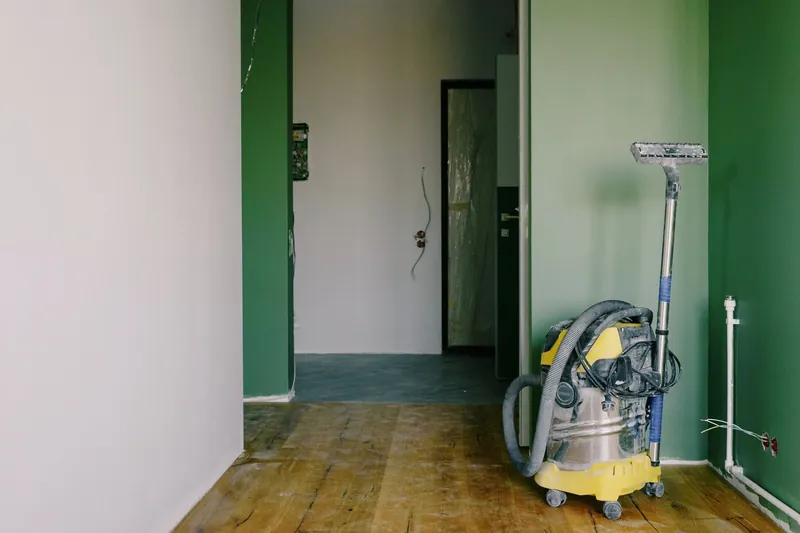
Category 3 black water includes raw sewage. Work areas should be controlled, protective gear should match the exposure and contaminated materials should be contained during removal. Ask how the local waste authority requires sewage debris and separate hazardous waste to be managed.
A layer of heavy soil blocks disinfection. An EPA-registered product follows surface cleaning and must remain for the complete contact time on the label.
North Carolina treats soaked materials from a biohazard scene as medical waste. Rules from the state Department of Environmental Quality's Solid Waste Section control how it is packaged, stored, transported and treated, so it cannot go in household trash.
Local plumbing or wastewater authorities can explain public-line reporting, while the property owner or plumber determines whether the blockage is on private property.
The full sewer backup cleanup guide covers what is cleaned or removed, odor and air quality work, and the rules that apply in Iredell County.
Read the full sewer backup cleanup guide
Planning for access, containment and cleanup can depend on local population, housing and entry conditions.
With a 37.7% renter share, some cleanup calls require a tenant and property owner to agree on access and material removal.
Homes with a median construction year of 1972 may contain layered renovations that hide affected materials beneath newer finishes.
When 35.8% of seniors live alone, clear item documentation can help an absent relative make careful decisions about belongings.
Because 84.0% of local housing is single-family, owners often can make direct decisions about removing affected structural materials.
During your call, ask whether cleanup is available in surrounding communities and ZIP codes.
Sewage cleanup removes Category 3 black water from raw sewage, then disinfects and dries the area.
See raw sewage cleanup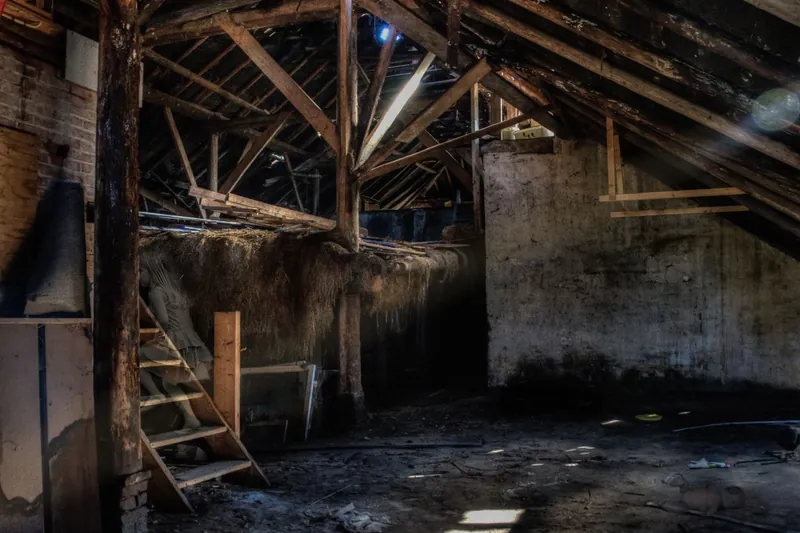
Sewage cleanup in a crawl space addresses contaminated soil and saturated insulation.
See crawl space sewage cleanup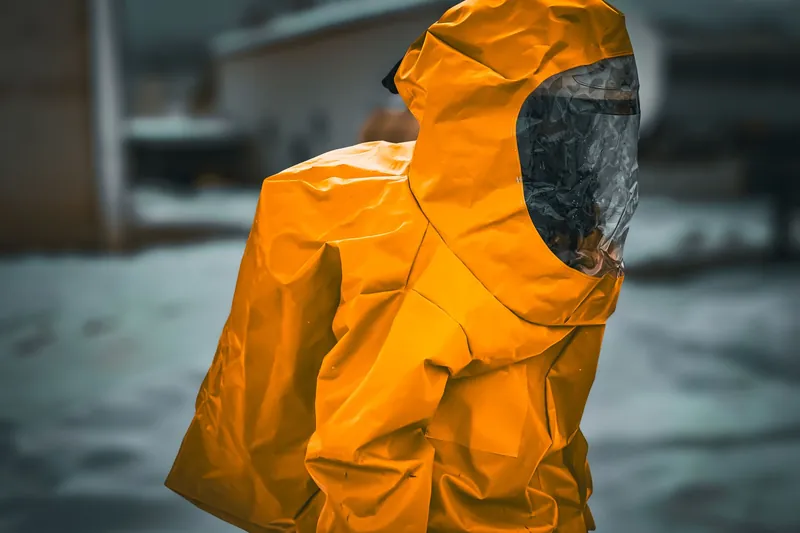
Removal and disinfection of blood, body fluids and other infectious material from any property.
See biohazard cleanup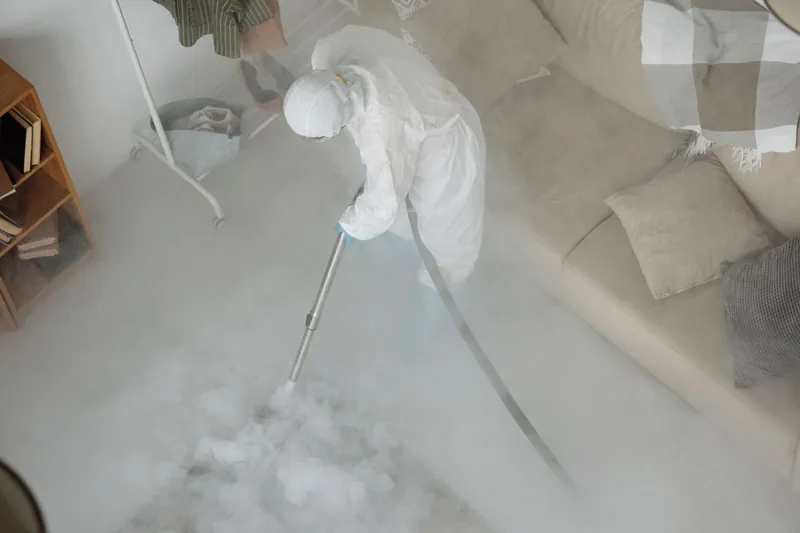
After exposure to infectious or hazardous material, the air, room and surfaces are fully decontaminated.
See biohazard decontamination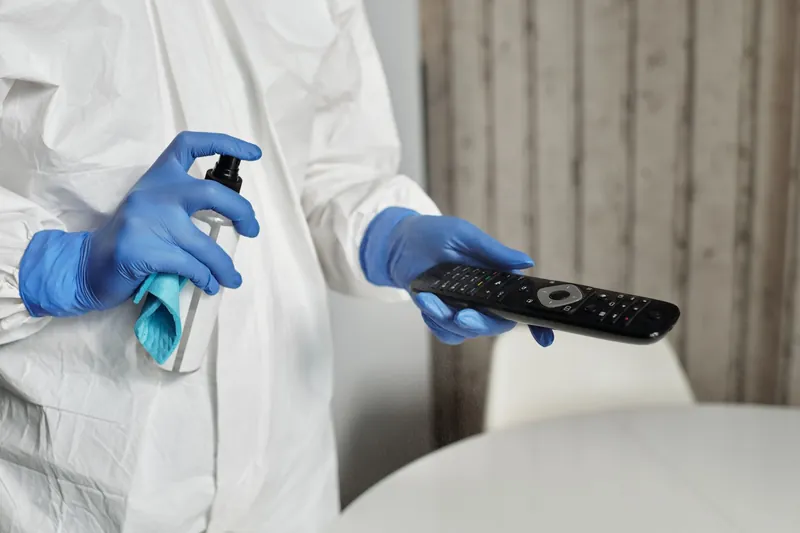
Biological remediation that removes contamination and returns a space to safe use.
See biohazard remediation
Human feces cleanup and disinfection in homes, rentals and public restrooms.
See human feces cleanup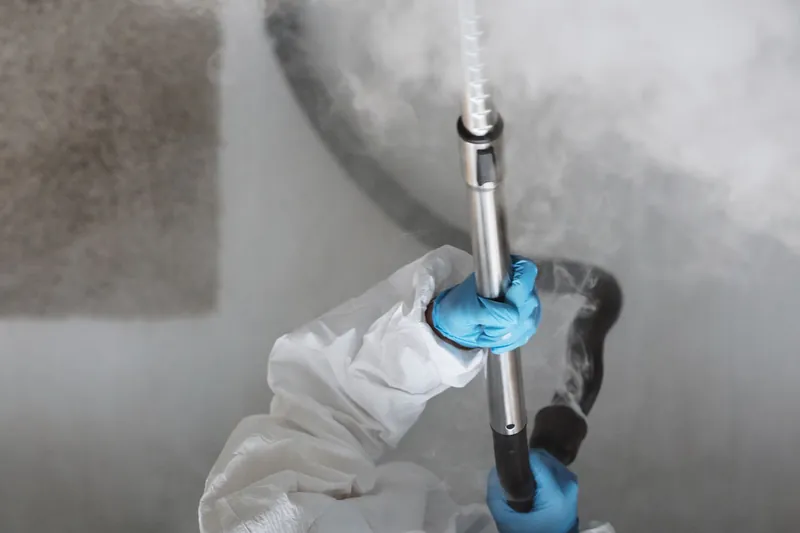
All surfaces receive full coverage with EPA-registered products for infectious disease disinfection.
See infectious disease disinfection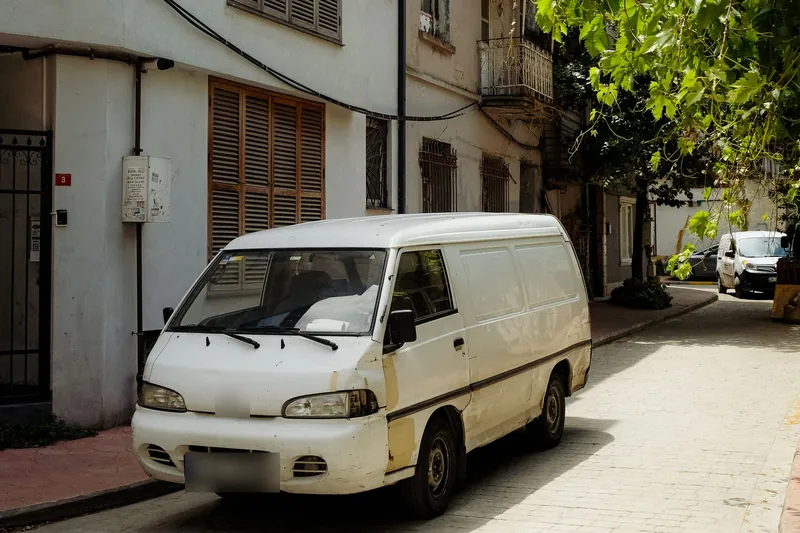
Day or night, biohazard cleanup begins once the scene has been released.
See emergency 24/7 biohazard cleanupCoverage may apply, although the policy language and cause determine the answer. Water backing up from a drain or sewer can be excluded under standard coverage unless you bought an endorsement. Check with your insurer before you assume coverage. Ask about cleanup, the deductible, damaged building materials, personal property and the records required.
Right. Raw sewage is treated as Category 3 black water because it may contain harmful microorganisms and contaminated debris. Close the area, prevent direct contact and avoid ordinary household vacuuming. Cleanup must cover visible sewage, contamination in absorbent materials, dampness, waste disposal, smells and nearby surfaces affected by foot traffic.
Have a plumber or the relevant sewer authority identify the source and stop it. For the property, look for sewage cleanup services that explain containment, material removal, disinfection, drying and documentation. Stay outside the area and contact a qualified electrician or utility if electrical equipment was reached, before anyone enters standing water.
The closest published sewage biohazard cost guides place typical or most homeowner projects between $2,000 and $10,000. One published cost guide shows a wider $1,500 to $8,000 range. The true cost depends on square footage and access, plus Category 3 water, porous removals, drying needs and contaminated-waste disposal.
Some plumbing businesses may extract limited pooled water, but line repair remains separate from sewage cleanup. Ask exactly what is included. A complete cleaning service includes records, odor removal, structural drying and disinfection, plus management of contaminated materials and extraction of wastewater. The plumber's report still helps by describing why the sewage backed up.
A tiny, contained spill on sound concrete may be manageable with suitable protective gear and safe waste handling, but cracks and joints can hold contamination. An extensive backup, electrical risks, hidden edges or wastewater in porous materials call for professional cleanup. Never enter unsafe standing water or mix chemical cleaning products.
Respectful, discreet sewer backup cleanup is available 24 hours a day, and crews arrive in unmarked vehicles.